
Adidas' CSR strategy centres on sport, climate resilience, and equitable outcomes for vulnerable children, three causes that do not share a playbook. Rather than run one generalist program across all three, we picked a specialist for each: Garv Foundation for para-badminton, India Track Foundation for athletics, PDCT for community football in high-altitude Ladakh, Afroz Shah Foundation for coastal cleanup, GreenSole for circular economy, and Udayan Care for residential child welfare.
Over three years, that grew into six live projects across multiple geographies, coordinated as one portfolio rather than six separate contracts: shared reporting cadence, one governance structure, and one team accountable for how the pieces added up together.
That structure is what lets each specialist push past their original scope instead of just meeting it. Garv's para-badminton program, built for grassroots training, produced two athletes who went on to Olympic competition. Afroz Shah Foundation's cleanup work cleared 71.34 lakh kilograms of waste from beaches, mangroves, and inter-tidal zones. GreenSole's footwear upcycling model scaled to 49,000+ children across six states. None of that came from a single implementing partner working in isolation. It came from consistent oversight that caught what was working early enough to double down on it.
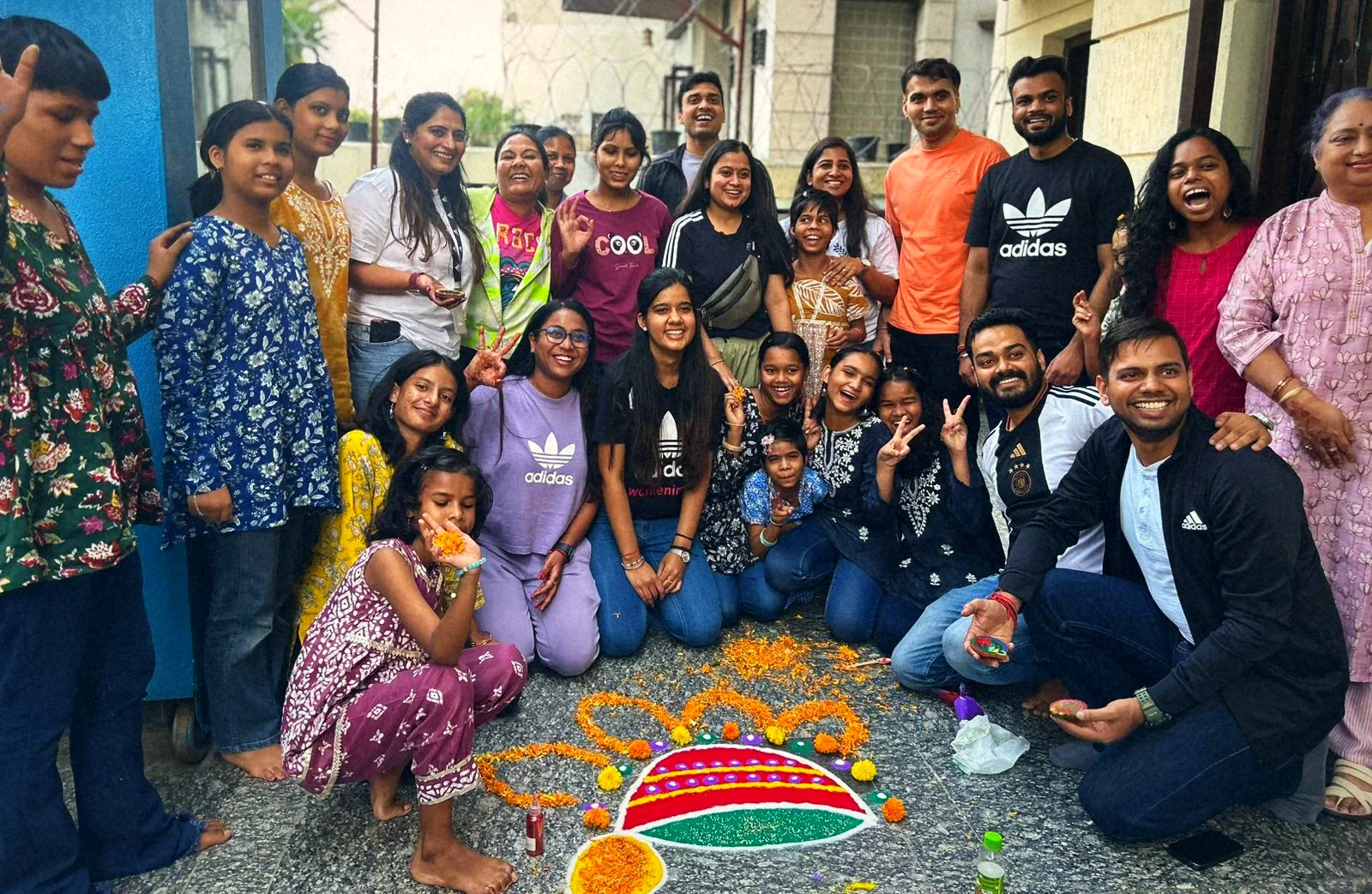
We also built visibility into the program from the start rather than adding it at reporting time. That got 80+ Adidas employees directly involved through donation drives, care-home visits, and time spent with India Track Foundation athletes, turning the CSR program into something Adidas' own people could see and take part in, not just fund.